


Are You Watering Your Seedlings Wrong? 90% of Beginners Do.
Watering has to be one of the easiest mistakes to make in the garden and you wouldn't think watering incorrectly would cause a lot of damage to your plants because everyone knows that plants need water, but it can actually devastate your plants.
Disclaimer: Cultivate Simple Delights is a part of Amazon Affiliate Program and receives a small commission at no extra cost to you for each purchase through our links.

That is why you want to know how to water your plants correctly to avoid various diseases and fungal infections from developing in the soil.
When you're growing seedlings indoors understanding how to properly water them is going to be a key factor in allowing your plants to develop into strong healthy seedlings.

How Do I Tell If My Seedlings Need Water
Many beginner gardeners water their seedlings incorrectly, which can stunt your plants from even growing.
An easy tip for starting your seeds indoors is to place them into soil that is already moistened.
This simple tip allows you to keep your seeds in place instead of displacing them with watering.
This is a good tip whether you're starting your seeds indoors or out in the garden bed.
Secondly, you're going to want to keep your seeds moistened until they germinate and develop true leaves with a spray bottle focusing on watering at soil level.
The spray bottle is gentle enough that it won't disturb your seedlings and by focusing on moistening at soil level you can help prevent fungal issues from developing.
This soil should stay moist during these first few weeks because the roots are so delicate and small, so check on your seedlings each morning to ensure the soil is moist, but not soggy.
Now here is a big mistake people often make and it becomes more of an issue as the plant develops.
Overwatering!
Too much water can cause a host of problems for your seedlings from diseases like root rot, to fungal issues, and nutrient deficiencies overwatering is one of the leading mistakes new gardeners make.
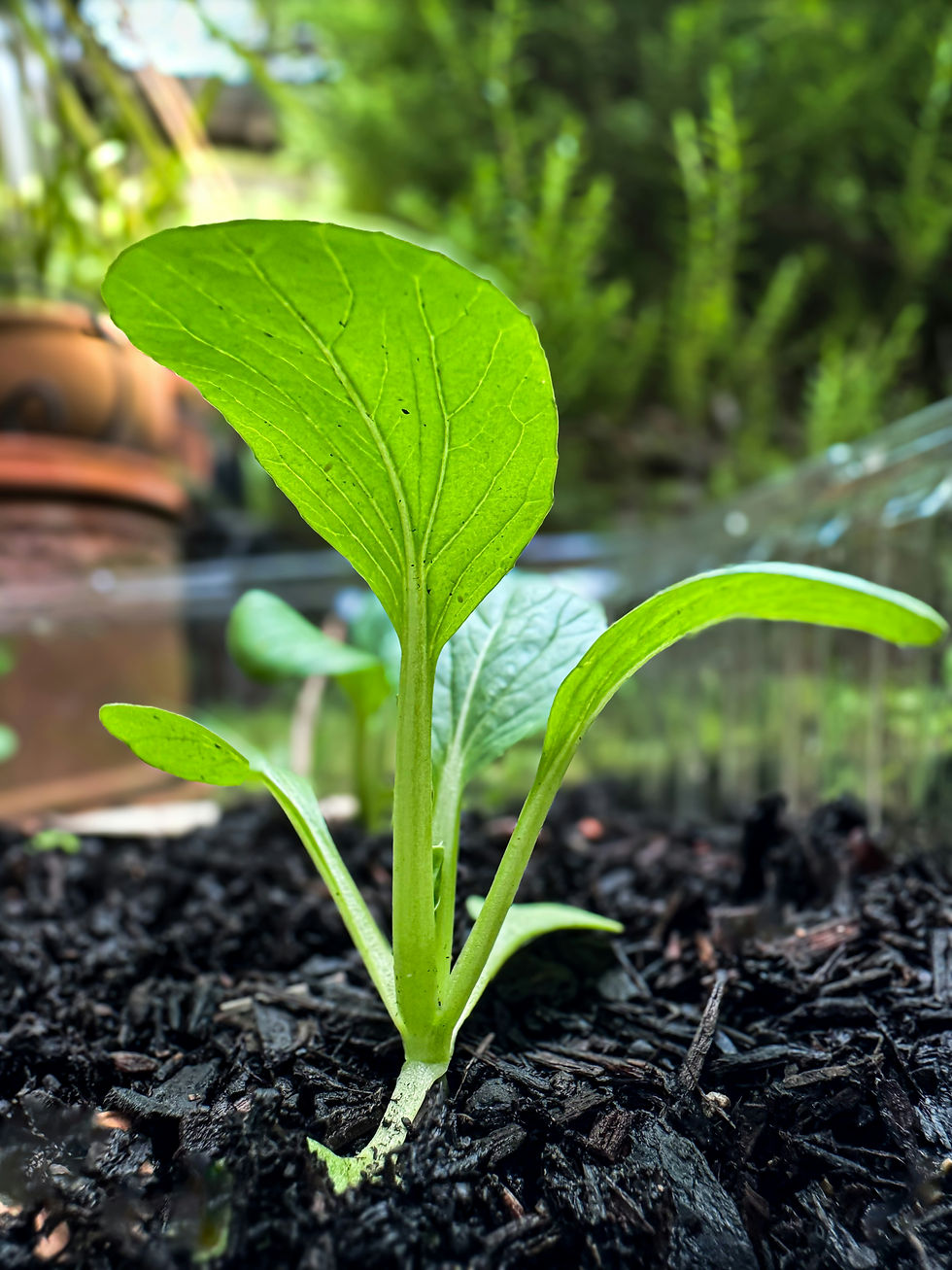
What Do Overwatered Seedlings Look Like?
You know you are overwatering if your seedlings start to turn yellow and the leaves begin to wilt.
You may also notice brown mushy roots developing on your plant, mold in the soil, or fungus gnats which are all signs that the soil is staying too wet.
Plants often do best with deep watering done less often.
Meaning the frequency of watering is less often, but when you do water you give your plants a good soaking.
This often looks like two times a week depending on your soil height, how many seedlings are in each container, lighting conditions, and what the circulation looks like in your growing area.
The main thing to remember is that too much water can be even more damaging than not watering enough.
The best practice when it comes to watering seedlings when you are growing them indoors is to give them a good soaking twice a week, but allow the soil to slightly dry out before watering again.
This simple tip actually helps you develop stronger roots because they will grow downward in search of water in between waterings giving you a healthier seedlings with a good root system.
Remember, growing your own garden is easy to do when you understand the fundamentals of having good soil, a solid watering plant, and planning your planting schedule.


Comments