


What's The Quickest Fall Crop Anyone Can Grow?
If I could hand every new gardening family one packet of seeds for fall, I would hand them radish seeds.

I know, I know.
Radishes may not sound as cozy as pumpkins or as exciting as giant cabbages.
But hear me out.
When you are gardening with kids, especially if you are also homeschooling, you need a vegetable that does not require perfect weather, fancy tools, or saint-level patience.
Radishes grow fast.
They sprout quickly.
They can handle chilly fall days.
And best of all, children can actually see progress before everyone forgets the garden exists.
That is why, from one homeschooling mom’s backyard to yours, I think radishes are the easiest fall vegetable to grow for beginner families.
Disclaimer: Cultivate Simple Delights is part of the Amazon Affiliate Program and receives a small commission at no extra cost to you when you purchase items through our links.

Why Radishes Are My Top Fall Pick For New Gardeners
Fall gardening can feel a little mysterious when you are new.
Spring gets all the attention, but Fall has some real perks.
The weather is cooler, which means fewer wilted plants and fewer sweaty garden meltdowns.
Many pests slow down.
The soil is often still warm enough for seeds to sprout well, especially in early Fall.
Radishes love that setup.
Here is why they work so well for families:
They grow from seed, so there are no fragile seedlings to transplant.
They sprout fast, often in just a few days.
They are ready to harvest in about three to four weeks, depending on the variety.
They do not need much space.
They grow well in garden beds, raised beds, or containers.
For my kids, the quick sprouting is the magic part.
A bean plant is fun too, but fall can be too short for some crops.
Carrots are wonderful, but they take patience.
Radishes give kids that “Look, it’s working!” moment almost right away.
That little bit of early success matters because it keeps everyone interested.
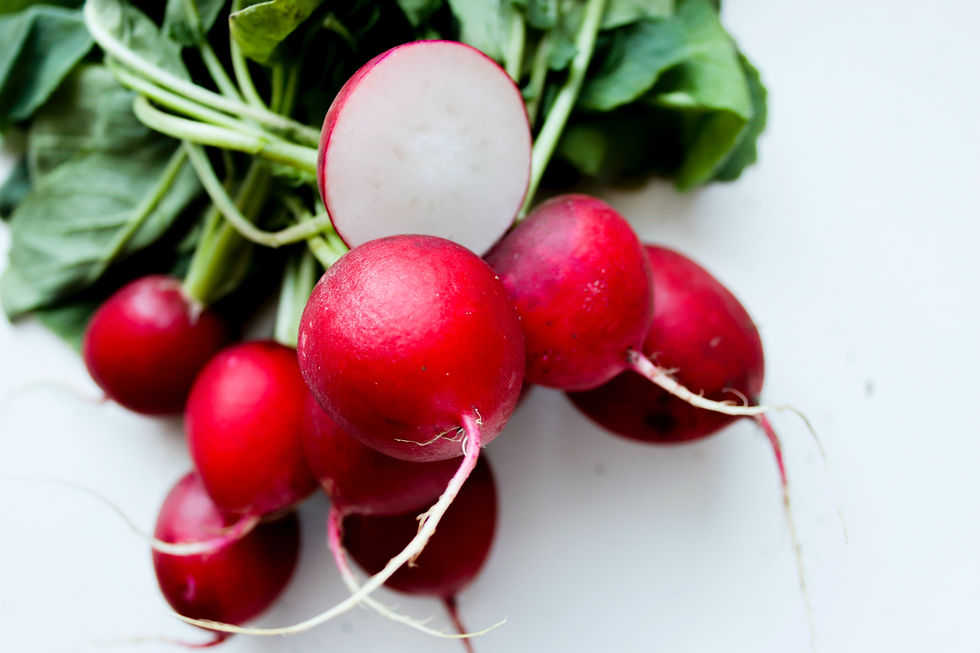
How To Plant Radishes Without Making It Complicated
You do not need a perfect garden bed to grow radishes.
Please let that be freeing.
If you have a sunny spot and decent soil, you can grow them.
If your soil is heavy clay or full of rocks, a container or raised bed may be easier.
Radishes grow best in loose soil because the root needs room to form.
Here is our simple radish growing method:
Pick a sunny spot
Radishes like full sun, but they can handle a little afternoon shade, especially if your Fall days are still warm.
Loosen the soil
Use a hand trowel, garden fork, or even sturdy kid-sized tools. Break up clumps and remove big rocks.
Make shallow rows
Radish seeds do not need to go deep. A little trench with a finger works fine.
Sprinkle seeds carefully
Kids love this part, but they also tend to dump the entire packet in one glorious pile. I usually pour a few seeds into each child’s palm.
Cover and water gently
Cover the seeds with a thin layer of soil. Water with a soft spray so the seeds do not wash away.
Thin the seedlings
Once the sprouts come up, leave some space between plants. This is the step I used to skip, and then I wondered why my radishes looked like skinny red pencils.
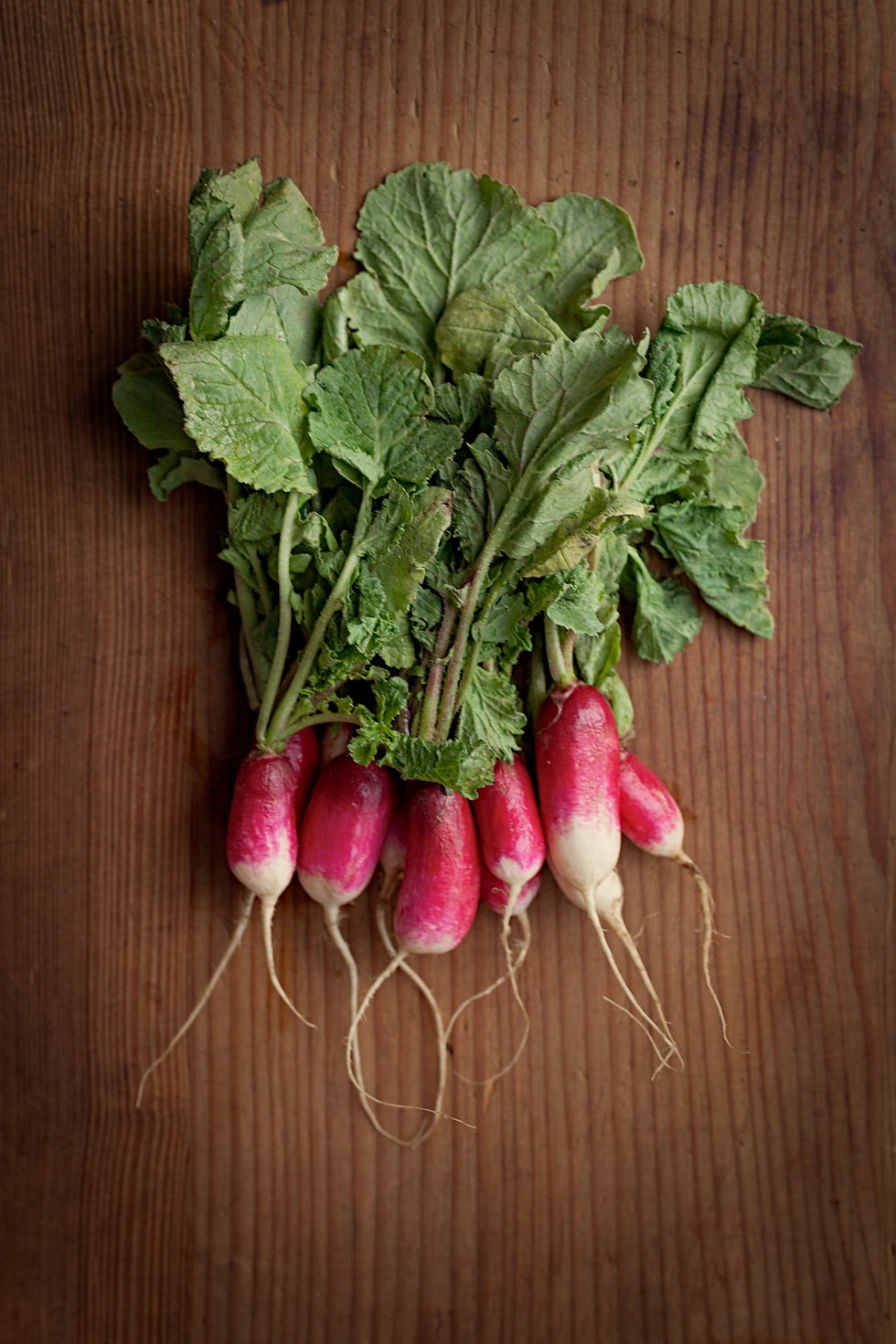
Turning Radish Growing Into A Fun Family Activity
This is where radishes really shine for families.
They are basically a tiny science unit in seed form.
You can keep it casual.
No need for complicated worksheets unless your family loves them.
A simple garden journal is enough.


You can also:
Draw the seed on planting day
Check for sprouts each morning
Count how many seedlings came up
Measure leaf growth once or twice a week
Compare radishes grown in sun and partial shade
Write down the harvest date
That covers observation, measurement, writing, nature study, and responsibility.
All from one little row of vegetables.

You can also talk about plant parts.
Radishes make this easy because you can see the leaves above the soil and the round root forming below.
When harvest day comes, pull one up and point out the root, stem, and leaves.
If your kids are younger, keep it sensory.
Let them feel the soil, smell the leaves, wash the radishes, and listen to the crunch when someone brave takes a bite.
If your kids are older, let them plan a second planting.
Ask questions like:
What happens if we plant seeds closer together?
Which bed gets the most sun?
How many days did our radishes take to mature?
Did cooler weather change how fast they grew?
That kind of learning sticks because it is real.

What Can Go Wrong and How To Fix It
Radishes are easy, but they are still plants.
Sometimes they get fussy.
The most common issue is planting them when it is too hot.
Hot weather can make radishes taste extra spicy or cause them to grow more leaves than roots.
For Fall planting, wait until the worst summer heat has passed.
Another problem is crowding.
If the seedlings are too close, the roots cannot swell.
Thinning feels a little harsh the first time, but it helps the remaining plants grow better.
Radishes also need steady water.
If the soil dries out and then gets soaked, the roots may split.
I tell my kids we are aiming for “wrung-out sponge” soil.
Damp, not muddy.
A few nibbled leaves are usually not a disaster.
If bugs show up, I do not panic.
We check under the leaves, rinse off tiny pests, and keep an eye on things.
For a quick crop like radishes, you often harvest before pests become a huge problem.

Start With The Vegetable That Gives Quick Confidence
Radishes may not be the fanciest crop in the garden, but they are one of the best teachers. They reward kids quickly, forgive beginner mistakes, and fit beautifully into a Fall homeschool rhythm.
If your family is new to gardening, grab a packet of radish seeds, find a sunny spot, and plant a small row.
Keep it simple.
Let the kids get dirty.
Watch for sprouts together.
A few weeks from now, you may be standing in the yard with a muddy radish in one hand and a very proud child beside you.
That is a pretty sweet Fall harvest.


Comments