


Explore The Secrets Of A Seed With This Fun Homeschool Science Lesson
Updated: Jul 23
Seeds are the tiny powerhouses of life, but have you ever taken a peak of what's going on inside?
Disclaimer: Cultivate Simple Delights is a part of the Amazon Affiliate Program and receives a small commission at no extra cost to you for each purchase through our links.

They hold everything a plant needs to start growing, but many students don’t ever get a chance to see what’s inside a seed or understand how it works.
This science lesson breaks it all down.
From the parts of a seed to how each part plays a critical role in creating a new plant let's explore seed science.
It’s a fun way to bring biology to life and spark curiosity about nature all with just one tiny seed.

What Makes A Seed Start To Grow?
A seed is more than just a small spec you plant in soil it contains everything a plant needs to grow.
There are several key parts that work together to make a plant grow like a:
Seed coat: This is the outer shell that protects the seed from damage and drying out.
Embryo: The tiny plant inside the seed. It has the beginnings of roots, stems, and leaves.
Cotyledon: Sometimes called the seed leaf, it stores food to feed the embryo as it starts growing.
Endosperm: In some seeds, this is the food supply surrounding the embryo, providing extra nutrients.
Go over the parts of the plant using these vocabulary words and explain that each part has a specific job to help the seed survive until it can grow into a full plant.

How to Explore Seed Science at Home
This lesson works well with common seeds like beans, peas, or sunflower seeds because they are larger and easier to dissect.
Here’s a simple activity:
Soak the seeds in water overnight to soften the seed coat.
Carefully peel off the seed coat to reveal the inside.
Use a magnifying glass to observe the embryo and cotyledon.
Draw or label the parts you see.
This hands-on approach helps students connect with the science of seeds, while encouraging them to have careful observation and note taking skills.
Plus the best part is that you can do this fun science experiment with just a few low cost supplies like a few seeds.
You can also use tools like a magnifying glass or microscope to observe the fine details of each seed and take the opportunity compare different seeds by size, color, and structure to make a fun comparison chart.
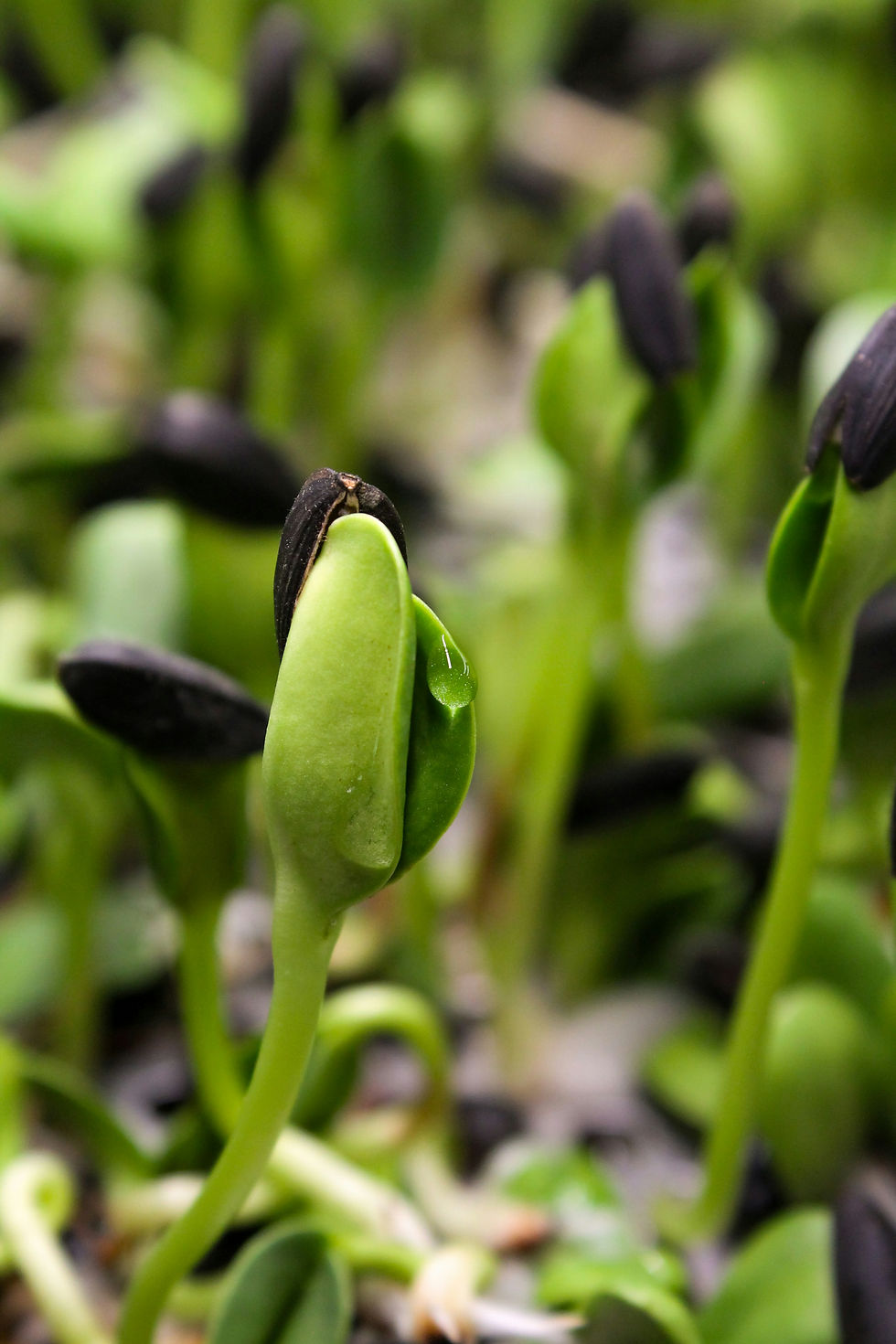
Learning All About Seed Science At Home
Seeds are the starting point for most plants, which provide food, oxygen, and habitats.
Knowing what’s inside a seed helps students appreciate how plants grow and survive.
It also introduces basic biology concepts like life cycles, growth, and adaptation.
This lesson can lead to even more experiments on germination, plant growth, or even seed dispersal methods making it a fun starting point for a garden study unit.
Plus, it’s a great way to get kids excited about science by showing them a tiny unknown world to explore.

Tips For Making This Lesson Fun and Engaging
Use a variety of seeds to compare differences in size, shape, and structure.
Incorporate storytelling by imagining the journey of a seed from soil to plant.
Connect the lesson to real life gardening or nature walks.
Encourage questions like “What happens if the seed coat is damaged?” or “How does the cotyledon help the seedling?”
Learning what's inside a seed is a great starting point for learning all about plant growth and as you extend these concepts your child will gain a better connection to nature making it more than just a science lesson by improving character development in the process.
Let's grow!
Grab my FREE printables for doing this lesson to get started learning all about what's inside a seed and watch the magic unfold as you spark a curiosity for life.


Comments